 RIDE-CT – Classic Cars Celebrating Classic Cars in Connecticut


HARWINTON, CT – It was while driving to Guilford along I-95 on Saturday morning that the low fuel light in the dashboard came one. Unsure of just how long it had been illuminated, a detour into a service plaza for a fill-up seemed prudent. The extortionate price for premium was $5.77 a gallon and the tab to fill up my 2010 Mazda Miata was $59.40.
That’s a pittance when compared to what it costs to top off the tank of a large SUV or truck, but it was still a noteworthy drain on the debit card. Hardly the “Happy Motoring” that the ESSO gas brand’s slogan once promised drivers years ago.
What happened at the gas station wasn’t the first time I’d recently been exposed to the broad “sticker shock” that blankets the transportation segment. After delivering a dinner speech in mid-May, I walked outside with an acquaintance who wanted to show his off new vehicle – a Jeep Wrangler Rubicon with a HEMI V8. He said it cost him $104,000.
That’s double the average MSRP of new models. Kelley Blue reports that new vehicle buyers paid an average of $49,461 in April. Five years ago, vehicles that cost less than $30,000 made up over 30 percent of dealer inventory. That share has dropped to about 13 percent today, according to Car Gurus.
Another example of the increasingly shocking cost for personal transportation can be found in a May report from Experian Automotive. It revealed that the average loan payment for a new vehicle hit a record $770 a month in the first quarter of 2026, up from $748 in the same period a year ago.
The share of new-vehicle payments above $1,000 in Q1 rose to 19 percent, up from 17.4 percent in Q1 in 2025. Only 4.8 percent of loans topped $1,000 in 2020.
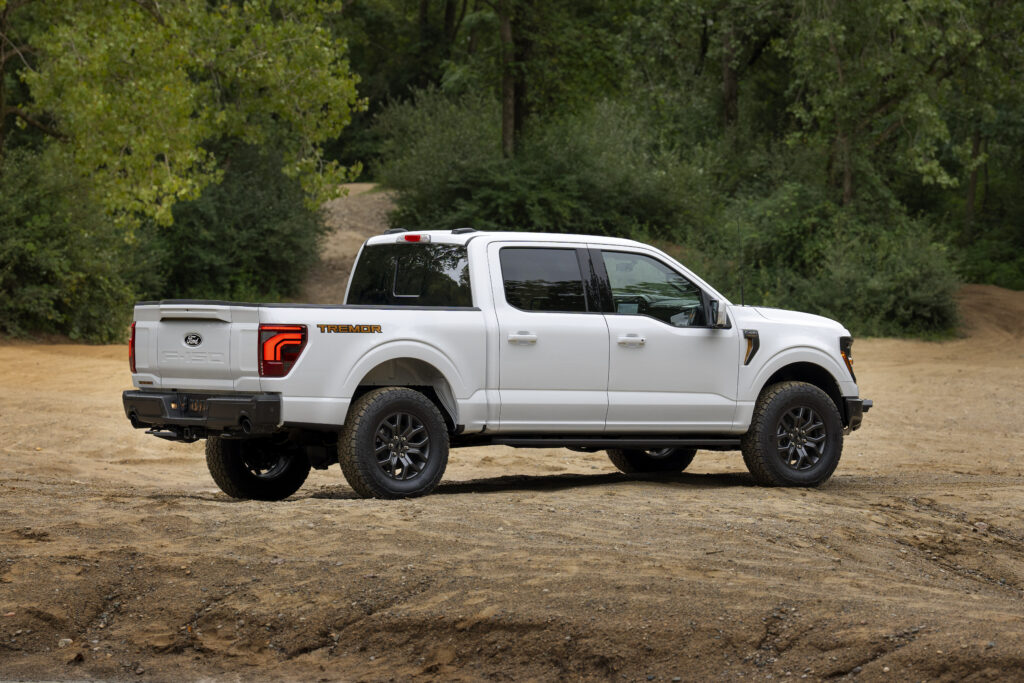
High-priced trucks and SUVs dominated the list of costliest loans with the Ford F-150 ranking in the top spot. There were 11 pickups and 14 SUVS in the Top 25 with full-size pickups holding eight to the Top 10 spots.
Loan terms are getting longer, too. Experian Automotive reported that 35.55 percent of loans in Q1 were for longer than six years, up from 30.83 a year ago. Additionally, 3.33 percent of loans were for greater than 85 months, up from 2.95 percent during the same period in 2025.
Not only are sticker prices and fuels costs rising, so are insurance rates. NerdWallet reports that the average cost for full coverage car insurance in the United States is now $2,320, or about $193 per month.
The bottom line is that the cost of buying and maintaining a new or used vehicle is rising. Where will it end?